Showing posts with label row cover. Show all posts

Monday, May 17, 2010

Red and Silver Plastic Mulch

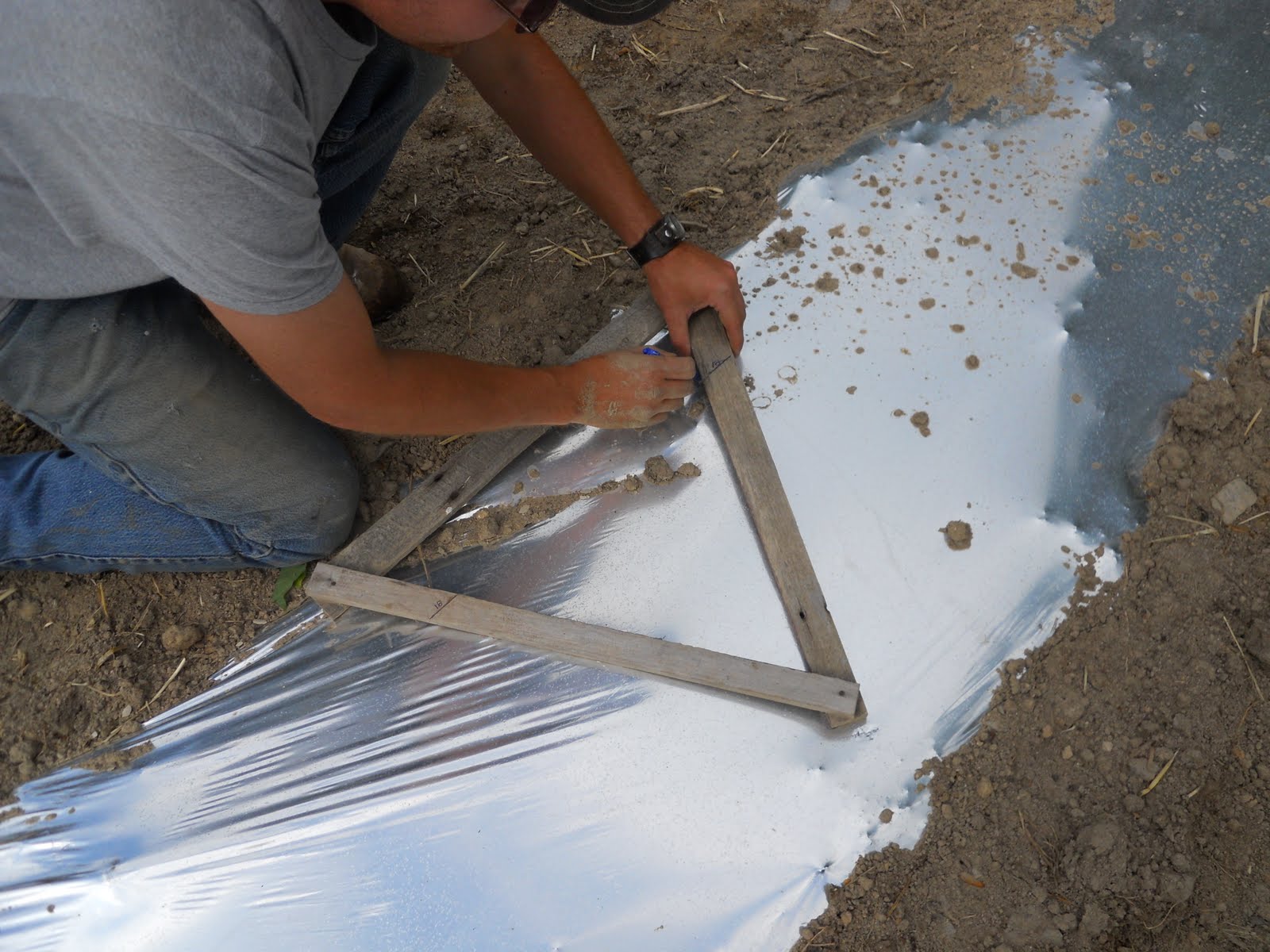
May 2-May 8:  we install red and plastic mulch.  This is one of our little experiments.  This "mulch" (a term used to mean anything that covers the soil and keeps it in place and moist, not necessarily the bark-mulch we all know) comes in a large folded roll.  We started by weed wacking the cover crop and raking it up.  (this we placed on the garlic as a mulch)  Then we flame weeded the bed and tilled it under, raked it out, removing the large clumps.  Then we hoed out trenches on either side of the row.  We unrolled the plastic, pulled it tight and tucked it into the furrows, covering with soil as we went.  We did the red one first and silver second, so the silver looks tighter than the red.

Some literature says that red plastic is beneficial to tomatoes, because it reflects the wavelengths that tomatoes utilize best and absorb the wavelengths that it cannot use as well.  So we decided to try it and see if it made any different.  We also decided to try silver mulch for eggplants and peppers.  The silver is supposed to reflect more sunlight into the underside of the plants, so they get more sunlight.  Also there are no shady dark spots for flea beetles and other bugs to hang out in. 


Pat uses the planting triangle to evenly space the peppers and eggplants 18" on the silver plastic.


The finished product.  Later we place row cover over the silver plastic.  We also put wire cages made of bent arcs of electrical wire fencing to cover the eggplants and peppers to protect them from the row cover.


Tuesday, April 27, 2010

Bok Choi, Baby!

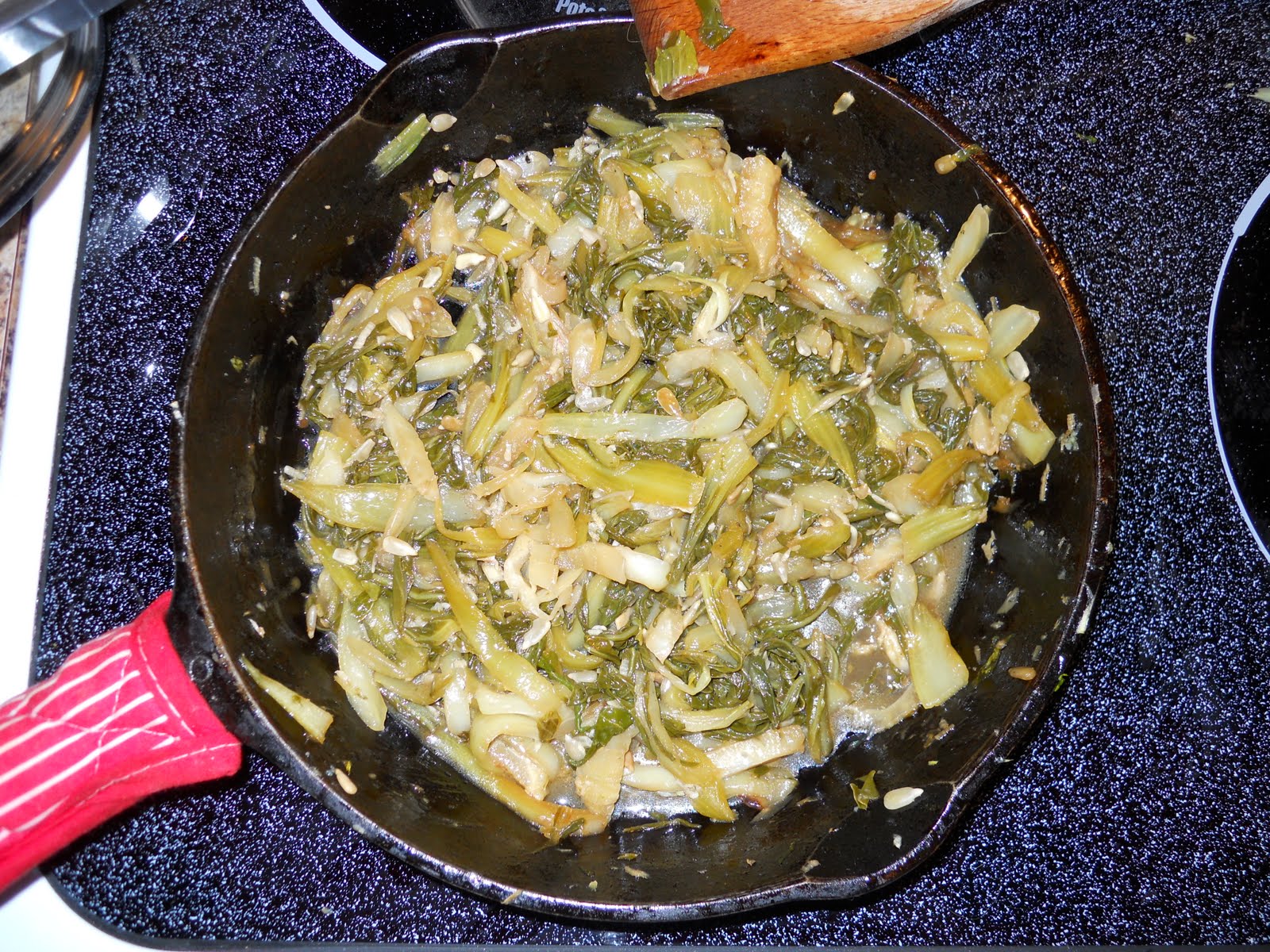
We had baby bok choi stir-fry this week from our garden.  It was like heaven to eat fresh greens after a long winter of frozen stuff and grocery-store lettuce.  They were the perfect size and with very little bug damage.  Last year we had a problem with flea-beetles, and had to spray with insecticidal soap.  But this year we started out with them under the row-cover and, while there were a few holes here and there, they were basically untouched.  I also think they were fuller and healthier.  Hard to tell if that is because our soil is more built up than last year, because of the row cover, or because of the sulfur that we added.  Whatever it was, they are very tasty!  We feel like we have been chlorophyll deficient during the winter--though we did have plenty of frozen pesto and chard...there still is nothing like the first fresh greens out of the garden.  :)

Tuesday, April 13, 2010

Row covered cabbages

These are a couple of pictures of our garden from two weeks ago (4/3/10).  In the first picture we had just finished planting cabbages, kohlrabi and bak choi.  Then we placed hoops (made of bent electrical fencing wire) over top of the small plants to protect them from the row cover, which came next (last picture).  The row cover is held in place with some old rebar and bricks.  The row cover keeps out unwanted pests, protects from deer, and provides some protection and warmth to the plants.  Under the cover it was about 4 degrees warmer than outside of it.  The cover traps some moisture too, so the soil is moist and soft. 


Here is the same plot of napa cabbages, kohlrabi and bak choi from last weekend (4/10/10) with the row cover turned back.  You can see how nice and robust the plants are.  We barely had to do any weeding too.  In a couple of weeks the bak choi will be baby-size and ready to eat!

Our two dogs, Maggie (the little black one) and Duke (the bigger golden one) like playing in the pond at the farm.  Duke hasn't quite decided if he likes swimming yet, but Maggie loves to!  He had never gone swimming before and didn't know how to jump out in the water.  So he jumped off of the dock, got the stick and proceeded to try to climb back up the dock--didn't work very well, most likely traumatized him!  Duke mostly just wallows or sits in shallow water to cool off.

Saturday, March 27, 2010

Gardening and flame weeding

This was our first real farm weekend. I got to help with the flame weeder--really cool! You just point this massive blow-torch at the plants and they melt. You don't want to hold it on so long that you make them crispy, or start a fire, but you just pass slowly over the whole bed, killing weeds and seeds close to the surface. Then you can turn the vegetative material back into the soil. I did the flame weeding on part of the garden then we got them turned into beds.

We (well, Pat mostly, I was tending to dogs most of the time) turned four beds in the garden and mixed in compost and elemental sulfur. The pH test showed it was about 7.4-7.5. Good, but a little high for cabbages and peas especially. After researching some alternatives, we decided to look for zinc sulfate or iron sulfate at the store. They only had alumnimum sulfate, which the online research said would build up in the soil to toxic levels and warned to stay away from that. We went with elemental sulfur instead, which was the only other choice at the store. The elemental sulfur will break down slower in the soil, so most of it won't be available for the plants this year but it will be the future. So we dusted that on the beds and turned it in with the compost.

Pat planted by seed peas, carrots, radishes, and lettuce and cabbage plants. We put row cover over the lettuce and cabbage bed, and placed electrical wire bent into U shapes over the plants to protect them from the weight of the row cover. The row cover is held in place by rebar (found in the field, put there 30 years ago by my dad! Re-use!) and some old bricks. We used row cover for the first time last year and it did great. Really kept the bugs down and allowed the plants to grow to a robust size before we had to take it off for pollination.

I mostly played with the pooches to keep them occupied, tired, and so they wouldn't take themselves off somewhere. They had a ball! So did we :)